
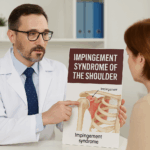
Chiropractic Solutions for Shoulder Impingement | Fredericksburg, VA Orthopedic Expert
Shoulder pain that worsens when lifting your arm or working overhead is one of the most common symptoms of shoulder impingement syndrome. As board-certified chiropractic orthopedists, we combine advanced orthopedic diagnostic skills with effective, conservative chiropractic treatment to help you recover without surgery. Understanding Shoulder Impingement Syndrome Shoulder impingement occurs when the tendons and bursa…Read More
Understanding Chiropractic Orthopedics: The Next Level of Spine Care
When it comes to treating back pain, neck pain, or other musculoskeletal conditions, patients are often unsure where to turn. While most people recognize the role of chiropractors in restoring spinal health, few are aware that some chiropractors pursue additional advanced training and board certification in orthopedics. These professionals are known as board-certified chiropractic orthopedists,…Read More
Rotator cuff tear
Rotator cuff tears typically present like the impingement syndrome patient, with trouble with overhead activities. The difference between the two is that the patient with a rotator cuff tear may have a more traumatic and acute onset after lifting somehthing heavy, or falling on an outstretched arm. This all creates pain and weakness when lifting…Read More
AC joint separation
A typical presentation of acromioclavicular separation is one with a traumatic onset of shoulder pain after a fall on an outstretched arm, or direct fall on the shoulder. Acromioclavicular joint injury consists of many different types and severity. AC joint separation is based off of the degree of separation and how many of the supporting…Read More
Adhesive capsulitis or frozen shoulder
Adhesive capsulitis or frozen shoulder typically presents after the age of 40. There are typically 3 phases to the condition. Starting with severe shoulder pain that makes any shoulder movement almost unbearable. It then progresses to reduction of this pain but a residual or increased reduction in shoulder range. Ending with the “thawing phase” where…Read More